 Praneeta Prakash
[Photo: File]
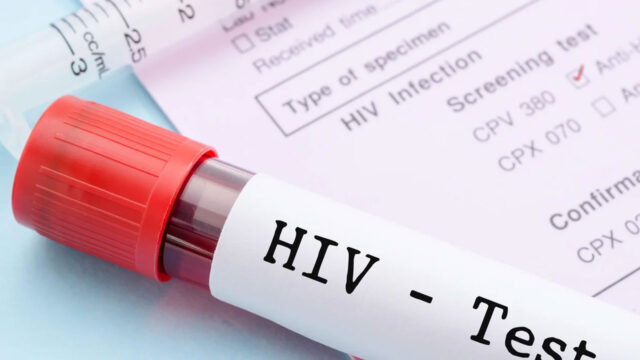
The government’s declaration of a national HIV emergency must translate into urgent, resourced action centered on human rights and dignity.
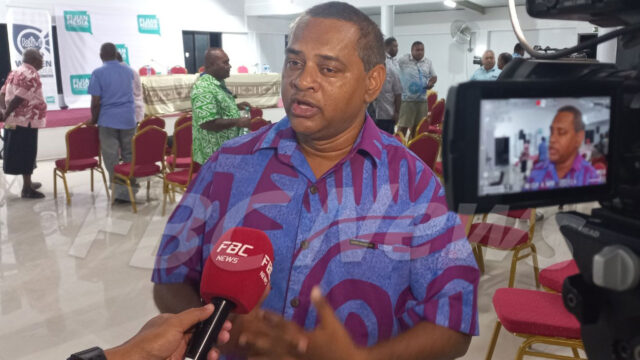
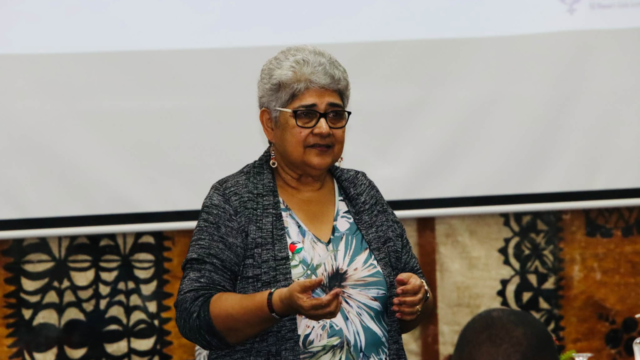
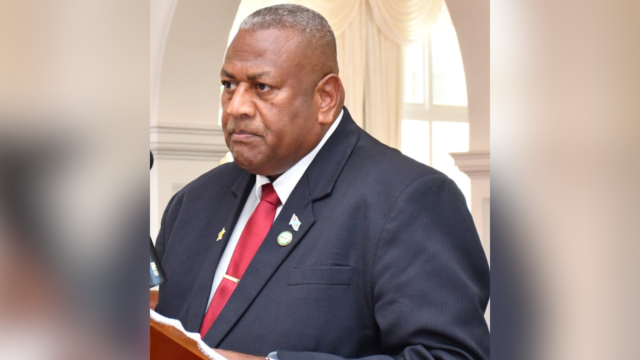
Commissioner Chantelle Khan emphasizes that HIV affects rights to life, health, privacy, equality, and freedom from discrimination – guaranteed under Sections 24, 26, and 38 of Fiji’s Constitution and international human rights law.
International covenants require accessible healthcare, confidentiality, informed consent, and equal care for vulnerable groups.
Addressing indications that emergency powers may be used, Khan stresses that any extraordinary measure must be lawful, necessary, proportionate, time-bound, non-discriminatory, and subject to oversight.
Emergency powers must not justify compulsory testing, status disclosure, arbitrary detention, or punitive measures.
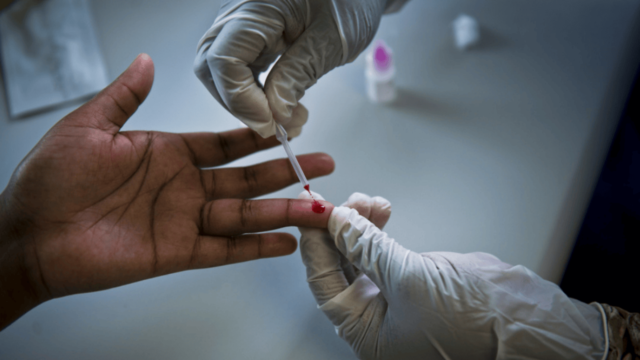
Instead, the national response must expand voluntary, confidential testing, ensure uninterrupted antiretroviral treatment, and strengthen prevention, counseling, harm- reduction, and maternal care. Khan called for the meaningful involvement of affected communities in developing these measures.
While commending recent initiatives like free point-of-care HIV testing and free preventive medicine for high-risk groups, FHRADC asserts that no individual should face discrimination, public identification, or loss of services based on their HIV status.